Stepping into nursing often feels like entering a world of endless acronyms like BLS, ACLS, and PALS. Figuring out which life-support credentials you actually need, and when, can be overwhelming – particularly when you want to boost your chances of landing the ideal job.
Whether you’re a nursing student preparing for clinicals, a new grad, or an experienced RN moving into a higher-acuity specialty, understanding these three certifications is essential for feeling confident in an emergency and for planning your career path.
BLS: Basic Life Support
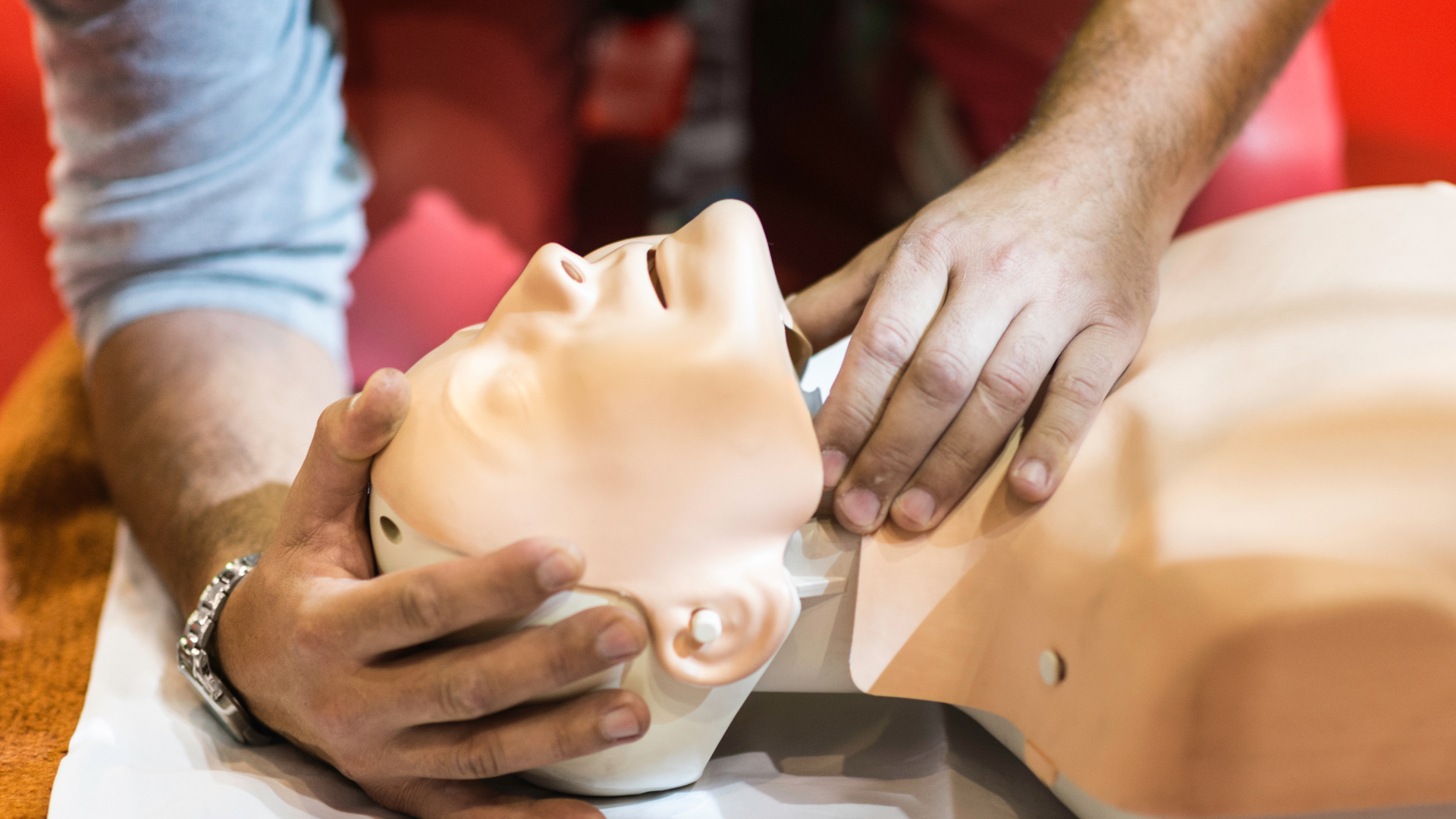
BLS is the foundation almost every clinical/health care provider role requires annually. It covers the core skills needed to recognize and respond to cardiac arrest, choking, respiratory distress, and other medical emergencies before advanced help arrives.
What it covers:
- High-quality CPR for adults, children, and infants
- Automated external defibrillator (AED) use
- Relief of foreign-body airway obstruction (choking)
- Two-rescuer CPR and basic team dynamics
- Bag-valve-mask ventilation usage
Who commonly needs it?
Practically everyone in direct patient care:
Registered nurses, LPNs/LVNs, nursing students, nursing assistants, dentists, and many non-clinical staff who work near patients.
Healthcare
- RNs, RPNs/LPNs, NPs, Physicians
- Nursing & Medical Students
- Respiratory Therapists
- Dentists & Dental Hygienists
- Physiotherapists & Occupational Therapists
- Midwives
- Medical Radiation Technologists
Community & Long-Term Care
- Personal Support Workers (PSWs)
- Long-Term Care Staff
- Home Care Providers
Emergency & Public Safety
- Paramedics
- Firefighters
- Police Officers
- Lifeguards
…and many others. If your role involves direct patient care or responding to medical emergencies, BLS certification may be required by your employer, educational institution, or regulatory body.
It’s without a doubt a requirement in nursing school prior to starting your clinical placements. As well, employers are looking for this – along with proof of ongoing recertification.
Renewal:
BLS certification renewal requirements vary by certifying organization. In Canada, the Heart & Stroke Foundation’s BLS Provider certification is valid for one year. In the United States, BLS Provider certifications issued by organizations such as the American Heart Association (AHA) and the American Red Cross are typically valid for two years. Always confirm the renewal requirements accepted by your employer, educational institution, or regulatory body.
ACLS: Advanced Cardiovascular Life Support
ACLS builds directly on BLS. Where BLS teaches you to sustain life until help arrives, ACLS trains you to be that help for adult patients experiencing cardiac arrest, stroke, or acute coronary syndromes.
What it covers:
- Recognition and management of lethal arrhythmias (V-fib, V-tach, asystole, PEA)
- Resuscitation pharmacology (epinephrine, amiodarone, atropine, and others)
- Defibrillation and synchronized cardioversion
- Advanced airway management
- Team leadership and closed-loop communication during a code
- Post-cardiac-arrest care and stroke recognition algorithms
Who needs it:
Acute & Critical Care
- Registered Nurses (RNs) working in the Emergency Department (ED), Intensive Care Unit (ICU), Cardiac/Coronary Care Units (CCU/CICU), Post-Anesthesia Care Unit (PACU), Cardiac Catheterization Lab, Critical Care Transport, or Flight Nursing
- Nurse Practitioners (NPs) working in acute or critical care
- Respiratory Therapists
Physicians
- Physicians
- Resident Physicians
- Anesthesiologists
- Critical Care Physicians
Emergency Medical Services
- Paramedics (where required by their service)
Hospital Resuscitation Teams
- Rapid Response Team members
- Code Blue Team members
Students
- Medical Students and Nursing Students completing advanced clinical placements (where required)
Generally any unit where a code could realistically happen. If your role involves caring for critically ill patients or participating in advanced resuscitation, ACLS certification may be required by your employer or clinical placement. A valid BLS certification is a prerequisite.
Worth knowing:
ACLS isn’t about memorizing algorithms for an exam. It’s about learning to recognize patterns, think critically, and respond confidently under pressure. The more you practice rhythm interpretation, medication algorithms, and team communication, the more natural those responses become during a real emergency.
PALS: Pediatric Advanced Life Support
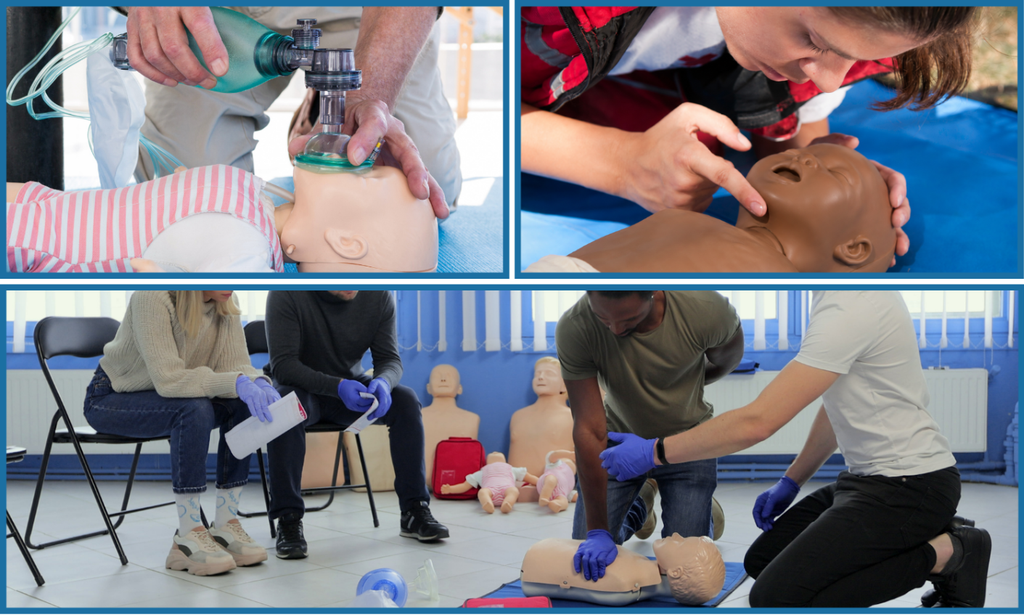
PALS applies the same advanced resuscitation framework as ACLS but adapts it for infants and children, whose physiology, drug dosing, and typical causes of arrest differ meaningfully from adults.
What is Covers:
- Pediatric Assessment Triangle (PAT) and a systematic approach to assessing the ill or injured child
- Recognition of respiratory distress and respiratory failure before progression to cardiac arrest
- Recognition and treatment of pediatric shock
- Weight-based medication dosing (often using tools such as the Broselow Tape)
- Recognition and management of pediatric arrhythmias
- Post-resuscitation care for infants and children
Who needs it:
Pediatric Acute & Critical Care
- Registered Nurses (RNs) working in the Pediatric Emergency Department (PED), Pediatric Intensive Care Unit (PICU), Pediatric Cardiac ICU (PCICU), Pediatric Transport, Pediatric PACU, or and some NICU settings where PALS is required in addition to NRP).
- Nurse Practitioners (NPs) working in pediatric or neonatal settings
- Respiratory Therapists caring for pediatric or neonatal patients
Physicians
- Pediatricians
- Emergency Physicians
- Pediatric Residents
- Anesthesiologists
- Pediatric Intensivists
Emergency Medical Services
- Paramedics who respond to pediatric emergencies
Hospital Resuscitation Teams
- Pediatric Rapid Response Team members
- Pediatric Code Blue Team members
Students
- Medical and Nursing Students completing pediatric or neonatal clinical placements (where required)
If your role involves caring for infants or children in emergency, acute care, or critical care settings, PALS certification may be required by your employer or clinical placement. Like ACLS, a valid BLS certification is a prerequisite.
Why it’s distinct from ACLS:
Unlike adults, children most often experience cardiac arrest as a result of respiratory failure or shock, not a primary heart problem. PALS is designed to help healthcare professionals recognize those early warning signs and intervene before a child ever reaches cardiac arrest.
Comparing the Three at a Glance
| Feature | BLS | ACLS | PALS |
| Primary focus | Fundamental CPR & choking response | Adult cardiovascular emergencies | Pediatric emergencies, including respiratory failure, shock & cardiac arrest |
| Patient population | All ages (infants to adults) | Adults | Infants & children |
| Key hands-on skills | High-quality CPR, bag-valve-mask ventilation, AED | Advanced airway management, rhythm recognition, defibrillation/cardioversion, IV/IO medications | Pediatric airway management, weight-based medications, rhythm recognition, defibrillation |
| Typical clinical settings | Required across most healthcare settings | ED, ICU, CCU, cath lab, telemetry, rapid response/code teams | PICU, pediatric ED, pediatric inpatient units, some NICUs, pediatric transport |
| Prerequisite | None | Valid BLS | Valid BLS |
| Renewal period | 1 year (Heart & Stroke Canada) / 2 years (AHA) | 2 years | 2 years |
Think of these certifications as building blocks, not competing options. BLS is the foundation. ACLS builds on that foundation for adult emergencies, while PALS prepares healthcare professionals to recognize and manage pediatric emergencies. Which certifications you need depends on the patients you care for. A medical-surgical nurse may only require BLS, while many emergency department nurses maintain all three because they treat both adult and pediatric patients.
Which Certification Should You Get, and When?
There’s no one-size-fits-all answer. The right certification depends on where you work, the patients you care for, and what your employer or program requires.
A good place to start is by asking yourself:
- Where do I work, or where do I plan to work? Your clinical setting is often the biggest deciding factor.
- Who are my patients? If you primarily care for adults, ACLS may be required. If you work with infants and children, PALS may be expected.
- What does my employer, school, or licensing body require? Requirements vary, so it’s always worth confirming before registering or paying out of pocket.
A general timeline that works for most nurses:
- Before starting clinicals or your first job: BLS comes first. Most nursing programs and healthcare employers require it before you begin clinical placements or your first shift.
- As your role becomes more specialized: If you’re moving into emergency, critical care, cardiac, or pediatric practice, your employer will often arrange or reimburse ACLS or PALS during orientation. Before paying for a course yourself, check with your manager or unit educator. You may not need to.
Practical Tips for Getting Certified
- Start by checking your employer’s requirements. Many organizations cover the cost of certification, reimburse employees, or require training through a specific provider.
- Don’t wait until the last minute to prepare. These are hands-on, practical courses. Reviewing the algorithms and course material beforehand will help you get much more out of the training.
- Renew before your certification expires. Letting it lapse can affect your ability to work in certain roles and may mean taking the full course again instead of a shorter renewal.
- Take advantage of free study resources. Organizations like the AHA and Heart & Stroke provide reference materials, and many learners find practice questions, rhythm strips, and medication review helpful before class.
The Bottom Line
BLS, ACLS, and PALS are more than certifications to add to your résumé. They’re the knowledge, skills, and clinical judgment that help you respond with confidence when a patient’s condition suddenly changes.
Understanding what each certification covers, who it’s designed for, and how they build on one another makes it much easier to choose the right certification at the right stage of your career, whether you’re working in general nursing, emergency care, critical care, or pediatrics.
Ultimately, the goal is to build the confidence and clinical readiness to step into high-pressure situations and provide safe, effective care when your patients need you most.
Ready to keep learning? Visit nursedecoded.com for practical resources, courses, and tools designed to support you at every stage of your nursing journey.